

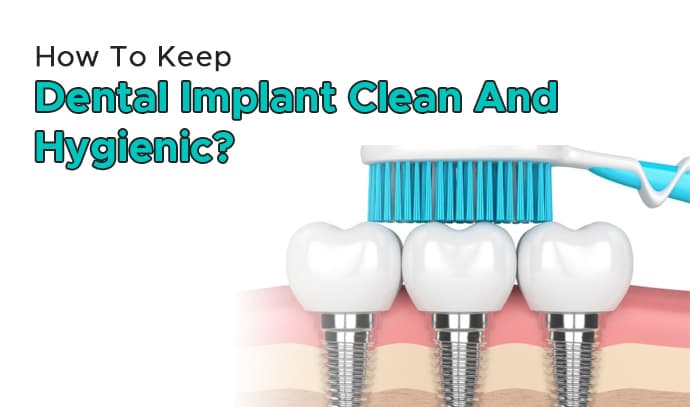
How To Keep Dental Implant Clean And Hygienic?
Dental implants are built to last, but most patients worry about hygiene. They ask, “How do I clean it properly?” or “Will food get stuck?” or “Can the gums get infected?” If you searched teeth implants near me, you likely want an implant that stays comfortable, clean, and problem-free for years.
Here is the direct answer. You keep a dental implant clean and hygienic by brushing twice daily, cleaning between teeth every day, rinsing correctly when advised, and attending regular professional implant cleanings. This routine protects the gums and bone around the implant.
At Elite Dental Studio, Calicut, we follow a structured implant hygiene protocol that covers home care, professional implant-cleaning, and a recall-schedule to protect gum-health and long-term implant-survival. This guide explains what to do daily, what tools help most, what habits to avoid, and when to book a maintenance visit at the best dental implant clinic in Calicut.

What Should You Know About Implant Hygiene Before You Start Cleaning?
Dental Implants: What You Should Know is simple. An implant cannot get cavities, but the gums and bone around it can get inflamed or infected if plaque stays near the gum-line. That is why implant hygiene focuses on two things: clean implant-surfaces and healthy gums.
A clean-looking crown is not enough. Real hygiene means consistent plaque-removal and biofilm-control around the implant and the surrounding teeth.
How Dentists Plan An Implant Hygiene Routine For You?
At Elite Dental Studio, your implant hygiene plan is tailored based on how easy it is for you to clean around the implant. We check the gum-line health, implant position, and whether you have tight-contacts that trap food-debris.
We also assess plaque-accumulation risk and recommend tools that match your access, such as an interdental-brush, proxy-brush, or water-flosser for stronger biofilm-control. This step-by-step planning keeps the routine realistic, so patient-responsibility stays consistent long term.
What Daily Routine Keeps A Dental Implant Clean And Hygienic?
Daily care keeps implant-surfaces clean and prevents plaque buildup at the gum-line. A strong routine has two anchors: morning-routine and night-brushing. Most hygiene problems happen when patients clean only the crown and skip the areas around the gum-line.
Morning routine
- Use a soft-bristle brush and keep pressure-control steady.
- Brush with gentle-circles and no-scrubbing along the gum-line.
- Focus on crown-cleaning and the edges where the crown meets the gum.
- Use fluoride-toothpaste that is low-abrasive.
- Add a post-meal-rinse later in the day when brushing is not possible.
Night routine
Night is where results are protected.
- Do twice-daily brushing, and make night-brushing the more detailed one.
- Clean between teeth and around the implant with once-daily interdental cleaning.
- If you have tight-contact, take extra time to reach each space with the right tool.
This is the same habit set we teach patients who come to us after searching for teeth implants near me and want long-term implant safety.
Which Toothbrush And Toothpaste Are Best For Dental Implants?
A brush that cleans well without irritating the gums is the goal. A soft-bristle brush works for most patients. An electric-toothbrush can help if your brushing is inconsistent or if you struggle to reach back teeth.
Choose a low-abrasive toothpaste. It keeps cleaning effective without harsh rubbing. Fluoride-toothpaste is a safe daily option for overall oral health, especially for natural teeth around implants.
For precision cleaning, your dentist may recommend:
- single-tuft-brush for corners and hard-to-reach areas.
- tapered-brush for better access behind the implant crown.
- rubber-tip-stimulator to massage the gum margin gently, if advised.
Always maintain pressure-control. Avoid no-scrubbing habits that can injure gums. Gentle, consistent plaque-removal is the priority.
How Should You Floss And Clean Between Teeth With An Implant?
Interdental cleaning removes hidden food-debris and supports gum-health around implants. Daily-flossing is one of the biggest differences between implants that stay healthy and implants that develop gum problems. This is especially important for people who searched teeth implants near me and want long-term confidence in their implant.
Best Flossing And Interdental Tools
- Floss-threader to guide floss around implant areas.
- Super-floss for better grip and control.
- Bridge-threader when access is tight under bridges.
- Interdental-brush or proxy-brush for wider spaces.
- Proxybrush for quick cleaning when recommended.
- Floss-pick-alternative only if it reaches the correct zone without snapping on gums.
Water-Based Tools
- Water-flosser or oral-irrigator to flush food-debris.
- Waterpik is a common option for home use.
- Cordless-flosser for convenience.
- Portable-irrigator or travel-flosser when you travel.
- Home-irrigation can support biofilm-control when used consistently.
How To Clean The Key Areas
- Focus on abutment-cleaning where the crown meets the gums.
- Clean sub-gingival areas gently only if instructed.
- Use angle-access behind the implant crown where plaque builds faster.
- Do night-floss so the area stays cleaner overnight.
- Keep the goal once-daily interdental cleaning, even on busy days.
Should You Use Mouthwash After Dental Implants?
Rinses support bacteria control when used correctly and only for the right duration. Mouthwash is not a substitute for brushing or flossing, but it can support gum-health in specific situations.
What Works And What To Avoid!
- Antimicrobial-rinse can be useful when recommended.
- Chlorhexidine or CHX-gluconate may be prescribed for short-term use.
- Saltwater-rinse can support comfort and cleanliness.
- Choose no-alcohol options to avoid dryness and irritation.
- Use post-meal-rinse when brushing is not possible.
Do not self-use diluted-bleach or strong mixtures. Use a therapeutic-rinse only when your dentist advises it.
What Food And Habits Keep Implants Hygienic And Safe?
Food choices matter because trapped debris and hard bites can irritate tissues and increase plaque-accumulation.
Diet tips
- Follow a soft-diet if tenderness is present.
- Choose no-hard-foods during sensitive periods.
- Avoid-ice to prevent sudden stress.
- No-nutshells to avoid cracking restorations.
- Crunchy-avoid if food repeatedly sticks.
- Limit sticky-foods that cling near the gum margin.
- Maintain hydration.
- Follow sugar-control to support gum stability.
Habits that protect implant hygiene
- no-smoking is one of the strongest protectors of implant-survival.
- Stay tobacco-free to reduce mucositis and peri-implantitis risk.
What Professional Care Keeps Implants Healthy Long Term?
Professional checks catch early inflammation and protect the bone around the implant. Even if home care is excellent, professional maintenance ensures long-term stability and reduces the risk of hygiene-failure.
What Happens During Professional Visits
- 6-month-check to assess gum status and implant health.
- Prophy and implant-cleaning using specialized-tools.
- Air-polishing where appropriate.
- Debridement and scaling when plaque or tartar-buildup is present.
- X-ray-review when needed to monitor bone levels.
- Maintenance-visit planning and perio-monitoring.
These visits help with early-detection and reduce the chance of bone-loss over time.
What Are The Warning Signs That Your Implant Needs A Dentist Visit?
Early signs around implants should be treated early to prevent peri-implantitis and bone-loss. Book a visit if you notice:
- bleeding-gums around the implant.
- pus-discharge or bad taste.
- infection-signs such as swelling or ongoing tenderness.
- mucositis that does not settle.
- plaque-accumulation and tartar-buildup that returns quickly.
- loose-implant feeling or mobility-warning.
- discomfort while chewing.
Overload-prevent planning is also important. If your bite feels off, get it checked early.
How Long Can Implants Last If Hygiene Is Consistent?
With consistent-habits and a stable hygiene-routine, many implants function well for 10-15-years and beyond. Many cases report outcomes close to 95-percent-success with proper maintenance.
Long-term success depends on compliance-key habits and a dentist-partnership. The best results come from lifetime-care, a clear recall-schedule, and patient-responsibility for daily cleaning.
Why Choose Elite Dental Studio For Implant Hygiene Support In Calicut?
If you are searching for teeth implants near me, you are not only looking for placement. You want a clinic that supports hygiene, follow-up, and long-term implant stability.
At Elite Dental Studio, we create practical implant care routines based on your gum-line health, implant position, and cleaning access. Our team focuses on prevention, early-detection, and longevity-tips so your implant stays stable and comfortable. For patients looking for the best dental implant clinic in calicut, our approach includes professional implant-cleaning, structured maintenance visits, and guidance that makes Dental Implants: What You Should Know easy to apply in daily life.
Book Your Appointment at Elite Dental Studio, Calicut!
Elite Dental Studio, Calicut offers implant maintenance visits, professional cleaning, and hygiene guidance for long-term implant safety.
If you have an implant already, or you are planning one and want a clean long-term routine, book an implant hygiene check at Elite Dental Studio, Calicut.
Call +91 97450-72555 to schedule your visit.
FAQs
How do I keep my dental implant clean daily?
Brush twice-daily and clean between teeth once daily, focusing on the gum-line around the implant.
Is flossing necessary for implants?
Yes. daily-flossing removes food-debris and plaque from areas a toothbrush cannot reach.
Can implants get infected even if the crown looks clean?
Yes. plaque-accumulation at the gum-line can cause mucositis and progress to peri-implantitis if ignored.
What mouthwash should I use after implants?
Use rinses only as advised. Some patients may need chlorhexidine or CHX-gluconate for short-term support.
How often should implants be professionally cleaned?
Most patients benefit from a 6-month-check and regular maintenance-visit planning based on perio-monitoring.
